As consumers continue to look for healthier, more sustainable, and ultimately more human-like options from their pet food purchases, the challenges facing the pet sector are evolving.
Premiumisation, nutritional and brand messaging, and durability in fresh and chilled applications are all considerations for this new breed of pet owners who want human-grade quality from their pet products. And this merging of preferences also extends to sustainability, too.
That means, while the pet food pack’s end-of-life journey matters, we can’t forget that it has a job to do long before it gets there. When we attended PATS (the Pet and Aquatics Trade Show) in September, this was a recurring theme in the conversations we had with attendees. In fact, it’s rapidly becoming an expected element in a wider specification rather than a selling point in itself.
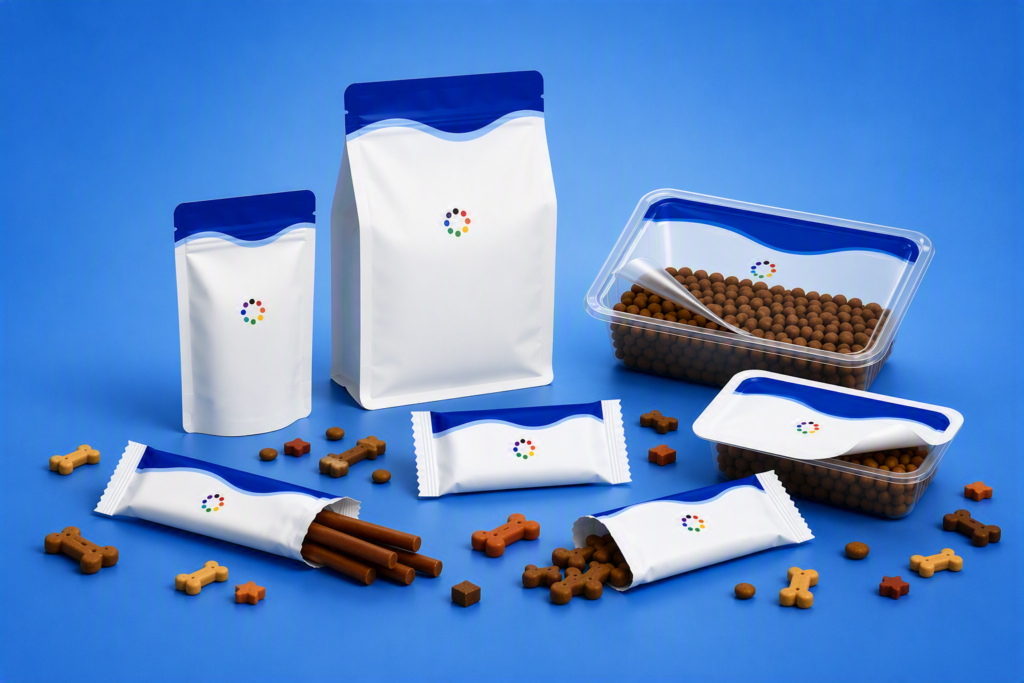
Awareness is growing in the industry about the many routes to circular packaging. Recyclable monomaterial packaging, made with a single type of plastic material to make it possible for recycling infrastructure to manage, is increasingly popular. But it’s far from the only option out there, especially as pet food products become more diverse and demand different packaging solutions.
Getting more from less
Material reduction is another promising avenue. Refining film thickness or pack dimensions can reduce the resources used, provided the structure continues to deliver the required protection through the supply chain. This starts with understanding how much packaging a product actually needs.
That requires more than comparing material specifications. A lighter pack must withstand everything the supply chain throws at it – filling, transport, storage, and handling – all without sacrificing seal integrity or shelf life. Any savings made through material reduction lose their value if they lead to damaged packs, wasted food, or disruption on the packing line, so testing the complete pack under realistic conditions is essential.
Functionality offers another route to do more with less. Strategic design can deliver a pouch that opens cleanly, recloses reliably, and makes portioning easier, meaning it can improve the daily feeding routine and keep portions fresh without the need for single-serve packs. However, as with anything, these features also need to be considered within the overall material and recycling design, making convenience support sustainability goals rather than compromising them.
Making premium quality tangible
For premium pet food brands, packaging helps owners judge whether a product reflects their priorities. Amcor research among 1,693 shoppers in the UK, France, Germany, and Italy found that 69% of pet owners cared about packaging sustainability, but environmental expectations sit alongside the practical experience of using the product. Both need to be excellent for the finished pack to work. But cutting back on material does not necessarily mean cutting back on quality.
Premiumisation can come through thoughtful design as much as visual impact, although advances in water-based coatings and lamination have created new creative options on that front, too. High-quality print or tactile varnishes can communicate nutritional content and brand values, while clear feeding and disposal instructions make that information useful. A QR code could connect owners with sourcing details to check ingredient provenance or tailored feeding guidance if needed, adding functionality without the need for extra layers of material.
Packaging is at its most valuable when it makes the brand’s message easier to understand and the product easier to experience. Packaging that looks considered and works well gives owners a tangible reason to trust the product and, in the age of ‘fur babies,’ where pets are treated as another member of the family in many households, that trust is critical.
Exploring the next material options
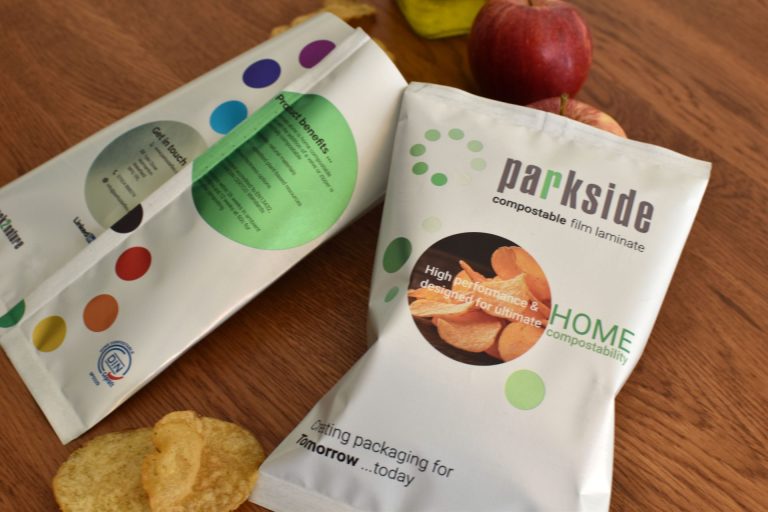
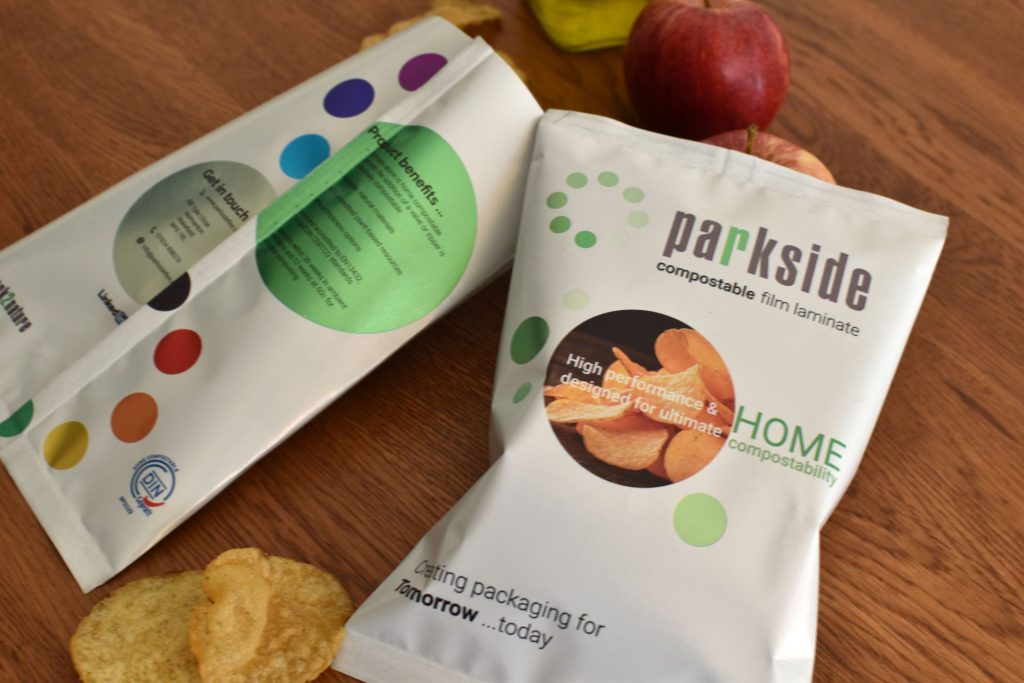
Paper-based solutions and compostable structures also featured in our PATS discussions, particularly around smaller formats such as treat bags. Both offer advantages for certain pet food applications.
Paper can offer a distinctive appearance and feel, alongside opportunities to reduce plastic use. Barrier and sealing technologies, including those within Parkside’s Recoflex™ portfolio, are improving its performance and making it more suitable for a wider range of applications. However, the complete structure, including coatings and closures, needs to deliver the required protection and be assessed for its intended recycling route. Paper-based doesn’t always mean plastic-free and recyclable.
Compostable structures offer a different approach to disposal. Their suitability depends on the product, composting conditions, and local composting infrastructure. As WRAP’s guidance highlights, clear labelling and suitable waste infrastructure can be the difference between a pack that is technically recyclable or compostable, and one that is actually recycled or composted in reality.
These are development opportunities to investigate through trials, rather than a single destination for the sector. Each product will bring its own priorities, constraints, and economics.
Our team’s conversations at PATS suggested a continuing appetite for innovation among premium pet food brands. We also saw our customer Naturaw win the Dog Food Product Award at the show for its Real Simple packs of raw food, providing a welcome example of the sector’s product development activity and the flexible packaging innovation that supports it.
The next phase of pet food packaging innovation will take discussions around recyclability to the next level, evolving into a broader assessment of sustainability, performance, convenience, and brand appeal. For brands and suppliers, the most useful starting point is the problem the pack needs to solve, then the material and design that can solve it. Sustainability isn’t about removing elements of a pack to meet an arbitrary goal, it’s about building it from the ground up so that every gram of material used is justified. It’s proactive, not reactive.
For those of us in the packaging industry, it’s easy to treat recycling as priority number one. That’s understandable – businesses across the supply chain are facing an ever-more complex web of regulations, restrictions, and fees all designed to keep it front-of-mind. But there are so many other considerations at play, which is why an expert packaging supplier makes all the difference.
To learn more about our huge portfolio of sustainable flexible packaging solutions for the pet food sector, click here or get in touch with our team today.