Paper or plastic? Is barrier performance necessary? Do we need to use less or more material? When it comes to FMCG packaging it feels like each of these questions should have a clear answer, but the reality is that things are rarely that simple.
It’s a cliché to say, but packaging in 2026 is facing more demands than ever, whether in the form of product protection requirements in more connected supply chains, supporting recyclability, or just in how smoothly it runs on the line. Packaging is being pulled in multiple different directions at once, so it is worth rethinking how the decisions are made surrounding it.
The right material starts with the product
Consumers, retailers and brands all have their own strong views on the paper vs plastic debate. Studies show consumers typically opt for ease of recycling and prefer paper or cartonboard, and brand and retailer preferences vary depending on application.
However, boiling this down to the question ‘paper or plastic’ is the wrong starting point. A more productive way to think about it is instead exploring what the pack actually needs to achieve: barrier performance, shelf life, sealability, machinability, recyclability, and the consumer experience. A dry snack, a fresh salad, and a frozen meal all place very different demands on their packaging, and materials that suit one application may struggle with another. The conversation around material choice needs reframing so that the product sets the brief, and the trend of paper or plastic follows afterward.
Material reduction and convenience
Creating less packaging means less waste, which sounds simple. However, if packaging needs to protect product freshness, thinning it too far can shorten shelf life and lead to more product being thrown away, often with a larger environmental footprint than the packaging itself. Material reduction, product protection, shelf life and food waste are all connected, so the task is finding the right amount of packaging for the job.
Adding structures for consumer conveniences presents a related challenge. A resealable zip, an easy-peel lid or a portion-controlled format introduces extra material or components, but these features can cut food waste in the home. What’s more, they can give shoppers a compelling reason to choose one product over another. Weighing the added packaging against the benefit is a judgment that must be carefully considered.
Designing for recyclability and performance
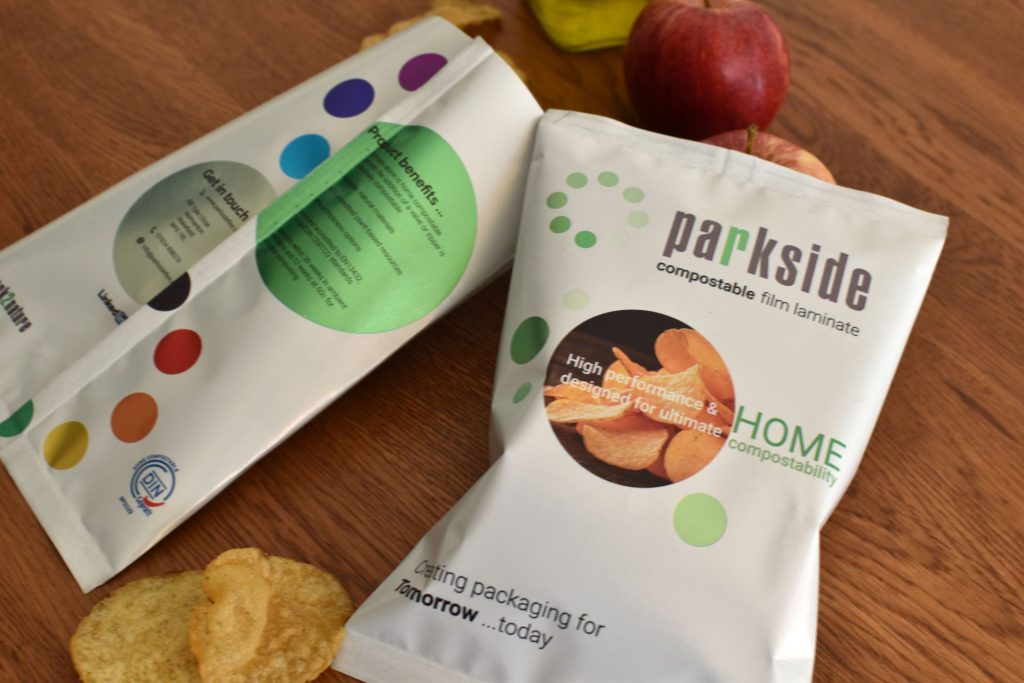
When packaging is designed to prioritise recyclability, can it still do everything the product needs it to do? Barrier performance, seal integrity, puncture resistance and production efficiency all matter for ensuring the product is protected, and sit alongside the end-of-life considerations that decide whether the packaging can be recycled in practice. There are solutions that facilitate both these priorities – for example, specialist papers – and the opportunity here lies in designing for performance and recyclability at the same time, using thoughtful material selection and structure to meet both goals.
Working with the clock
Launch windows, retailer commitments, and seasonal peaks all encourage fast decisions, but this time pressure works against thorough development. New materials and formats need proper testing on real filling lines and through real supply chains. Building development time into the plan earlier on can save costly rework later and helps packaging arrive on the shelf already performing at its best.
Possibilities through Packaging
Seen together, these examples point to a single obvious conclusion: there is rarely a clear answer about what decision is right for packaging, and the more useful question is what this particular product needs its packaging to achieve. With that clearly defined the competing priorities become easier to weigh, and options that once looked like a forced choice become more open.
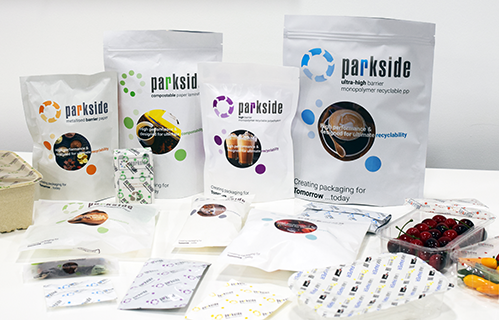
This is the thinking behind Possibilities Through Packaging, Parkside’s approach to finding the right balance for each product. This thinking draws on deep technical knowledge of how packaging performs under real-world conditions, broad material expertise across films, papers and laminates, and a collaborative development process that brings brand teams and packaging specialists together from the start. Each project starts with the product, its journey and its goals, and the packaging is moulded around what it needs to deliver.
If you are working through your own packaging trade-offs, we would be glad to explore the possibilities with you. Contact our team on info@parksideflex.com to find out more.